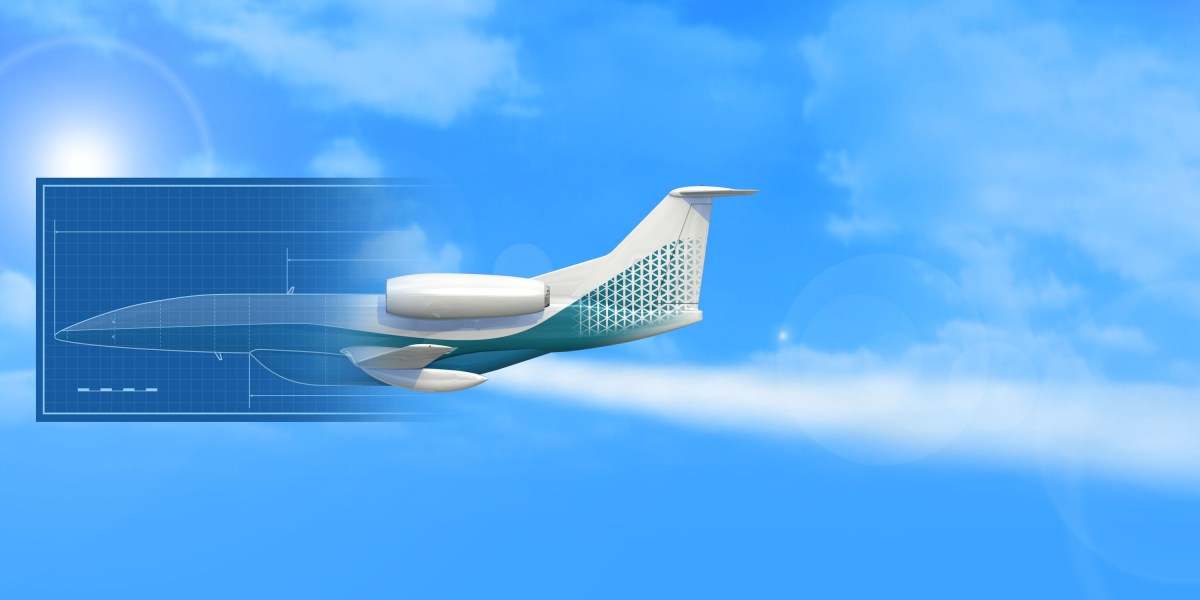
The field of solar geoengineering is shifting from computer modeling to practical engineering research. Scientists are studying the technical complexities of implementing Stratospheric Aerosol Injection (SAI), including the creation of specialized high-altitude platforms.

What Happened
Climate management projects are moving into the engineering prototyping phase. Implementing a Stratospheric Aerosol Injection (SAI) strategy requires the development of specialized high-altitude aircraft equipped with Rolls-Royce AE 3007 engines and systems for transporting corrosive materials in detachable tanks. Preliminary estimates suggest that a large-scale program by 2040 would require investments of at least $35 billion.
Context
Solar geoengineering (SAI) has long been viewed primarily as a field of theoretical computer modeling. The current stage marks a shift toward creating physical infrastructure and solving material science challenges for operating in the harsh conditions of the stratosphere.
Why It Matters for the Industry
The transition to prototyping is creating new markets for the aerospace industry (high-altitude platforms), the chemical industry (specialized compositions), and the stratospheric satellite monitoring sector. There is also an expected increase in demand for specialized software to manage unmanned high-altitude systems and integrate monitoring data into climate models.
Why It Matters for Users
Climate management technologies are ceasing to be science fiction and are becoming a matter of real engineering and global politics. This could directly impact future environmental standards, the global economy, and approaches to combating climate change.
What Is Not Yet Known / Limitations
There are significant disagreements in outlook assessments: while investors see massive market potential, technical specialists point to extreme implementation complexity and enormous financial barriers.
Sources
Author
Look at AI, Editorial Staff