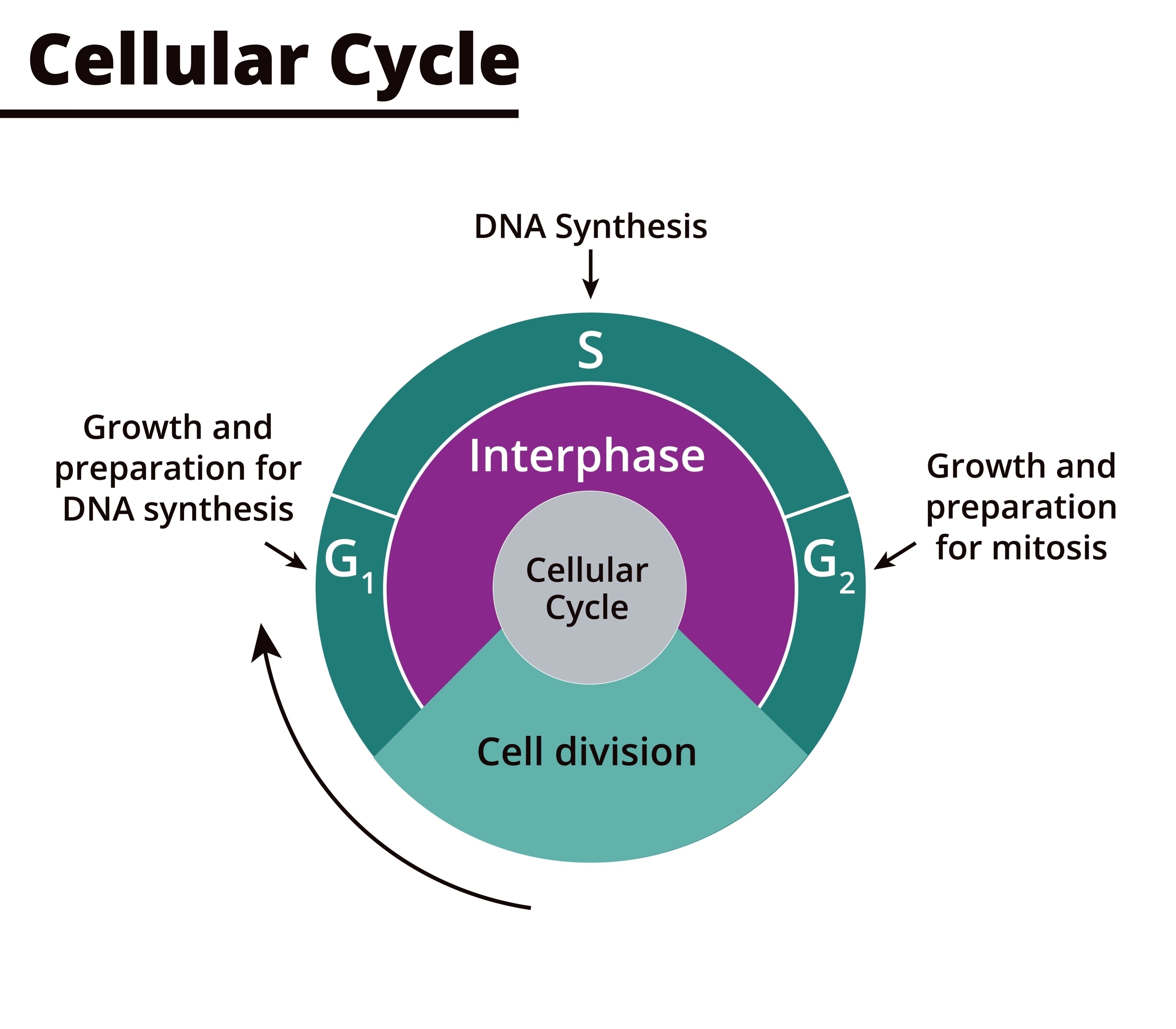
The IAGlobal project has been introduced—an innovative multi-agent cognitive architecture inspired by biological cell cycle processes. The system uses the SHA3-512 algorithm to create a "genomic lineage," allowing for deterministic tracking of agent evolution and ensuring self-healing.


What Happened
Developers have presented IAGlobal, an architecture that implements functional analogs of biological processes to manage AI agents. The system uses "mitochondria" to manage token distribution and "autophagy" for automatic resource cleaning. To ensure integrity, it uses cryptographic agent "DNA" based on SHA3-512, which allows for recording the history of mutations and states.
Context
Traditional multi-agent systems often face challenges regarding reproducibility, duplication, and difficulties in tracking changes in agent behavior. This project proposes a shift from static software pipelines to dynamic, self-optimizing structures that mimic the behavior of living organisms.
Why It Matters for the Industry
The project sets a new engineering pattern for managing agent state and evolution, increasing the predictability of complex systems. Using cryptographic hashes as identifiers helps solve mutation traceability issues and ensures deterministic identification in multi-agent environments.
Why It Matters for Users
For developers, this serves as an implementation example of the self-evolving software concept, where agents can not only perform tasks but also independently optimize their internal structures. This paves the way for creating more resilient and adaptive digital systems.
What Is Not Yet Known / Limitations
At the current stage, the project is a research prototype (Research/Show HN) and does not contain performance data, making it not ready for production use.
Sources
Author
Look at AI, Editorial Team