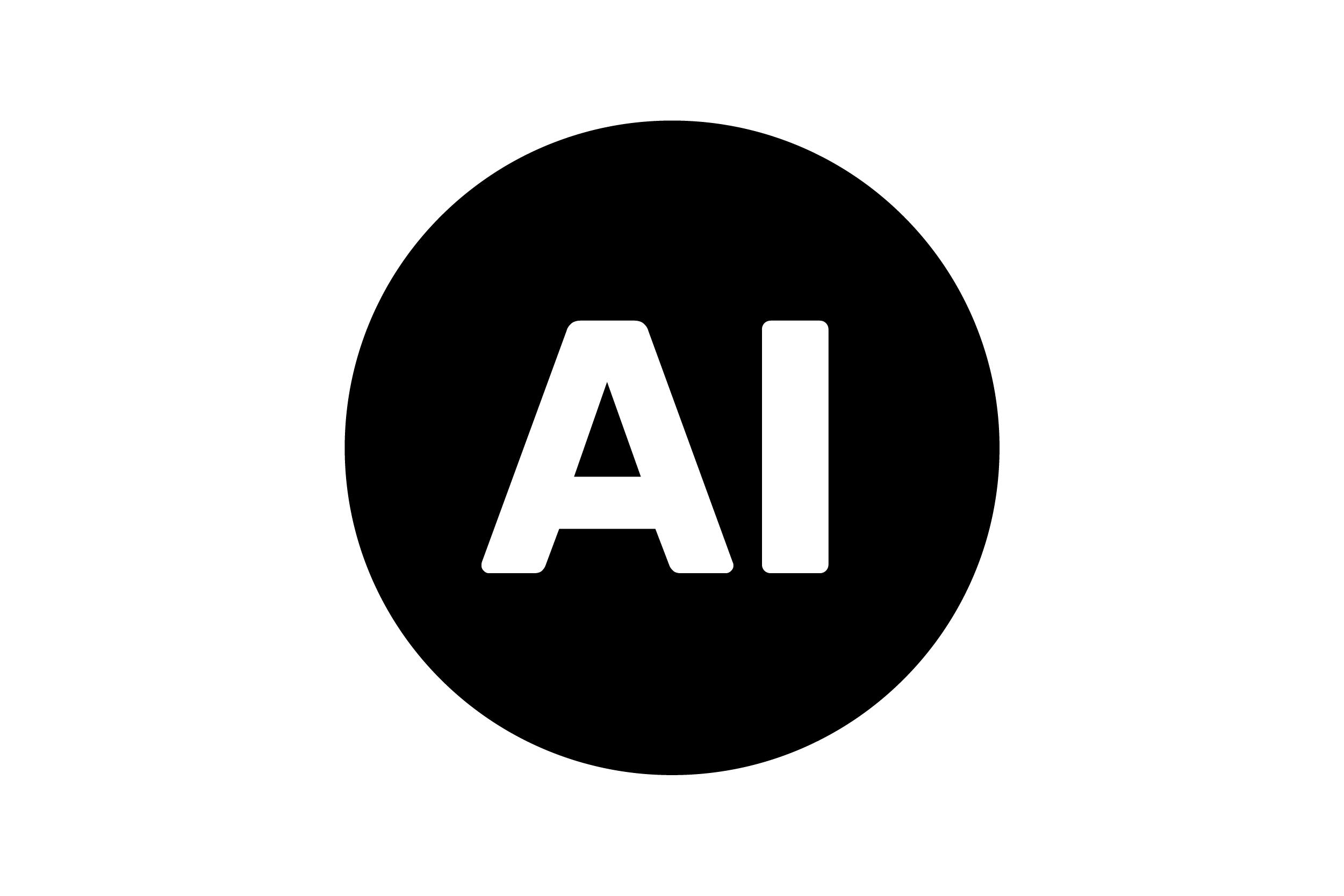
The European Union has developed a set of unified graphic symbols in SVG and PNG formats to denote content created or modified using artificial intelligence. This initiative aims to ensure transparency and combat the spread of deepfakes.


What Happened
The EU has introduced labeling tools that allow content to be categorized into: fully AI-generated, partially modified, or using AI as a foundational tool. These icons are designed to help creators and digital platforms clearly identify synthetic media content (video, audio, text).
Context
This measure is a practical tool for complying with Article 50(4) of the AI Act (EU AI Act), which requires disclosure regarding whether content was created or manipulated by artificial intelligence, especially in cases involving public interest.
Why It Matters for the Industry
For AI developers and media platforms, implementing a single visual standard simplifies the compliance process and reduces legal risks associated with non-compliance with EU regulations. It also creates infrastructural opportunities for automating labeling via metadata and integrating new UX patterns into interfaces.
Why It Matters for Users
Users will be able to more quickly recognize synthetic content in social media feeds and news streams, increasing digital literacy and protecting against the impact of deepfakes and disinformation.
What Is Not Yet Known / Limitations
The focus is shifting from purely regulatory aspects toward technical integration into pipelines and product solutions.
Sources
Author
Look at AI, Editorial Team