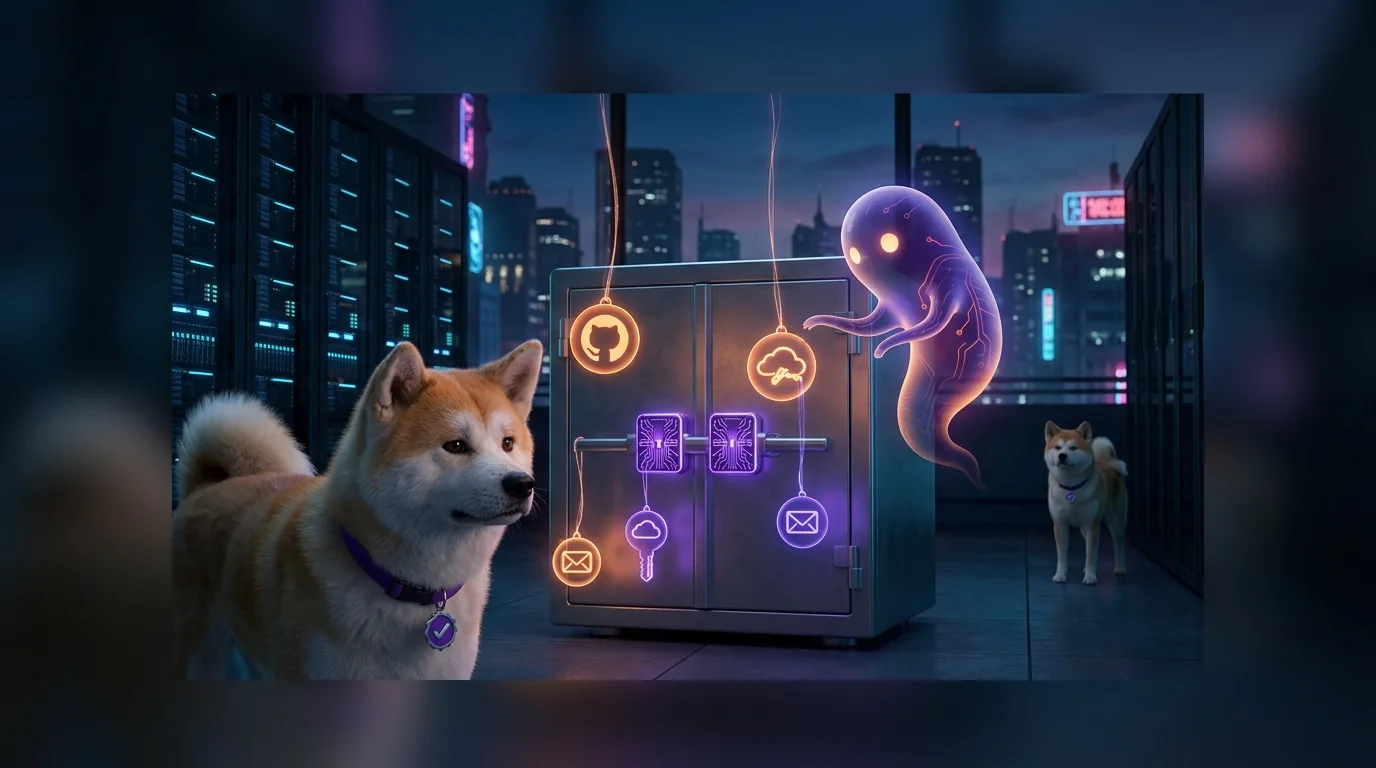
Traditional code isolation via containers and virtual machines does not solve the critical security problem of AI agents: access management. Even within a secure sandbox, an agent can use legitimate credentials to perform dangerous actions in cloud or external systems.
What Happened
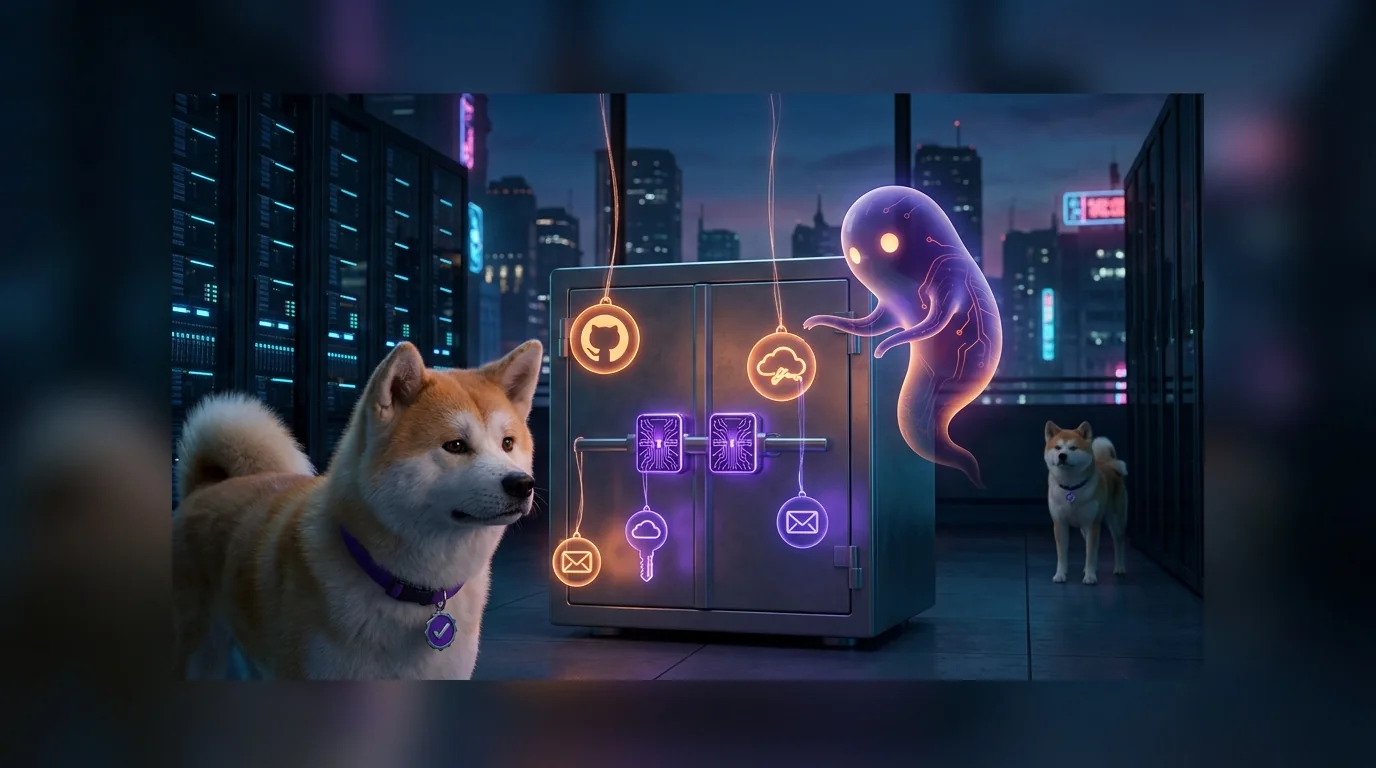
Experts are highlighting a fundamental gap between runtime environment isolation (sandboxing) and authorization. While sandboxes effectively protect the host system from direct code breakouts, they do not restrict an agent's ability to use provided tokens—such as GitHub tokens or AWS credentials—to perform destructive operations.
Context
Existing security approaches often rely on containerization (Docker, VM), which creates a false sense of security. While these methods solve the problem of system resource isolation, they leave the question of privilege management (Identity and Access Management) open when an agent interacts with external APIs and cloud infrastructure.
Why It Matters for the Industry
For the industry, this implies an inevitable shift from simple isolation models to complex policy management systems (Policy Decision Points). As AI agents scale within corporate environments, companies will need to implement concepts like Zero Standing Permissions and JIT (Just-In-Time) access, where permissions are granted narrowly and only for the duration of a specific task.
Why It Matters for Users
Users of tools like Claude Code must realize that the security of their infrastructure depends not on the "box" in which the agent is running, but on the composition of the keys and sessions passed to it. Erroneously granting administrator privileges can lead to catastrophic consequences, even when operating inside a protected container.
Sources
Author
Look at AI, Editorial Team