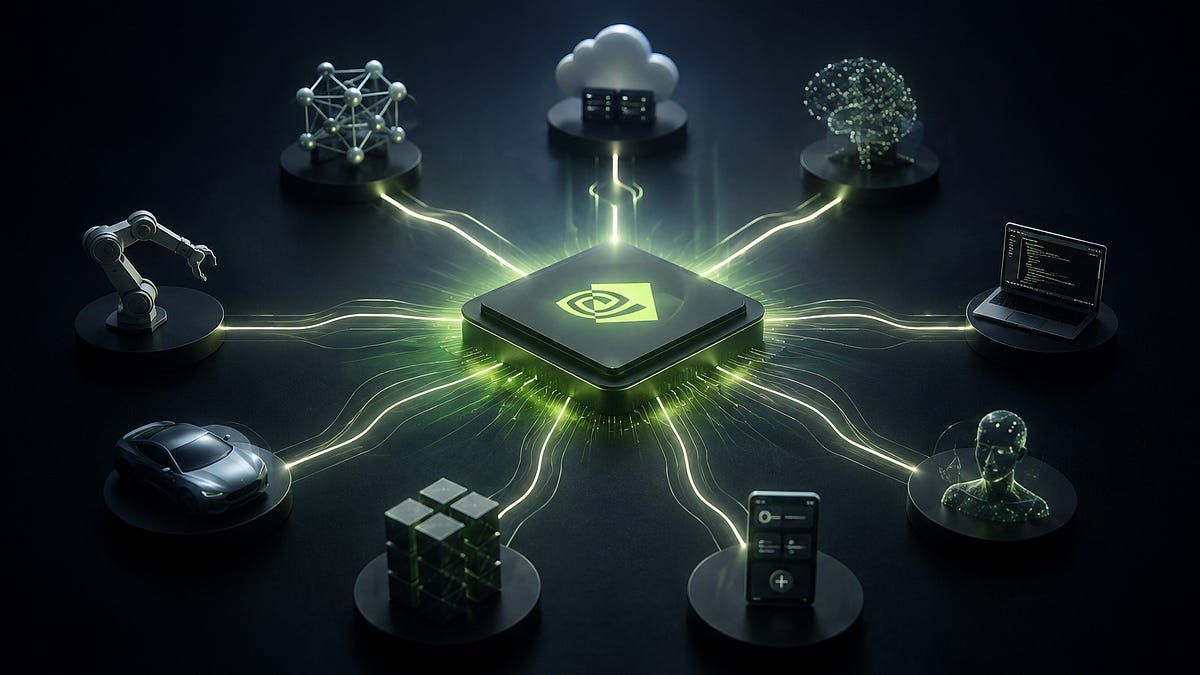
Nvidia has transformed from a chip manufacturer into the "central bank" of the AI economy, controlling both the supply of silicon and the flow of capital into the industry. Through strategic investments in key players across the stack, the company is creating a closed loop that defines the development of the entire industry.
What Happened
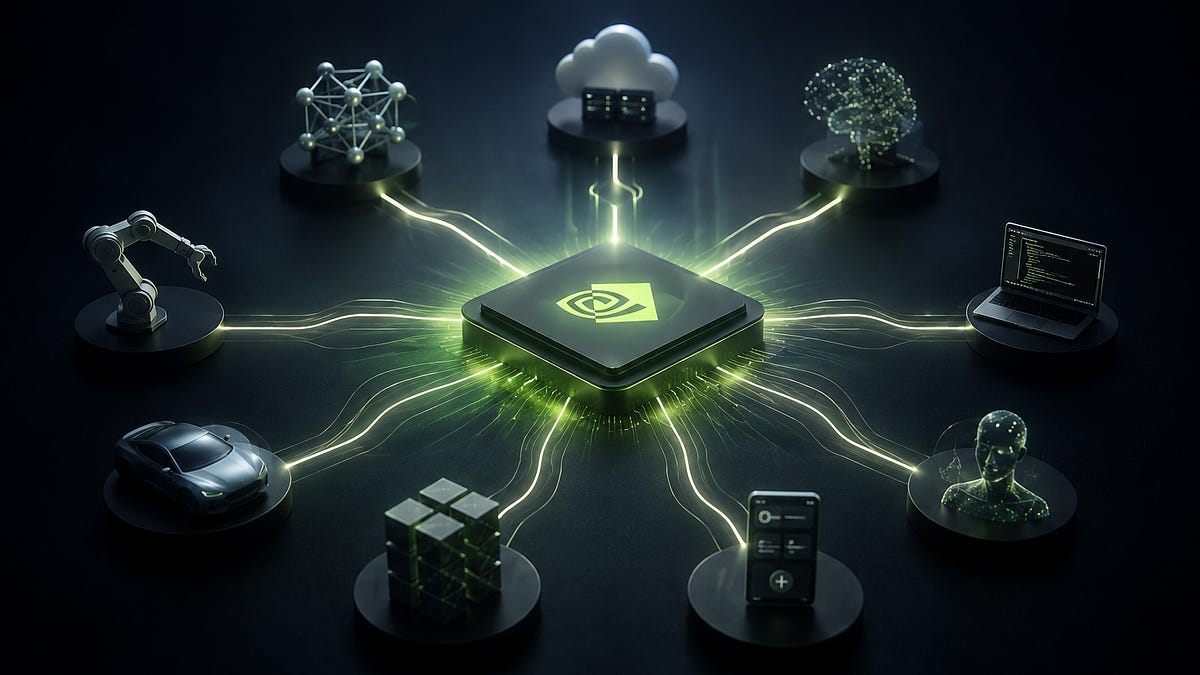
Nvidia is shifting from a hardware vendor model to a regulator role within the AI ecosystem. It is actively investing in various levels of the technology stack: from large language model developers (OpenAI, Anthropic, xAI, Mistral) to cloud infrastructure providers (CoreWeave) and companies in the physical AI space (robotics). This strategy creates a demand loop: every dollar invested in consumers returns to Nvidia as revenue from GPU purchases (the estimated multiplier is 3.5x).
Context
Traditionally, Nvidia's leadership was based on the technological superiority of its GPUs. However, the current model involves not only control over the physical layer (GPU) but also active participation in the distribution of capital within the industry, allowing the company to dictate architectural and financial standards.
Why It Matters for the Industry
For the industry, this means an intensification of Nvidia's monopolistic influence over the scaling pace of AI infrastructure worldwide. The company effectively manages access to computing power, which directly impacts the speed of training and deploying new SOTA models, and determines which architectures and startups receive the resources to grow.
Why It Matters for Users
It is important for readers to understand that Nvidia's dominance is maintained not only by chip quality but also by the creation of a self-sustaining financial cycle. This makes its market influence almost absolute, turning technological progress into a process closely correlated with the financial policy of a single player.
What Is Not Yet Known / Limitations
There is a divergence of opinions among experts: some emphasize the industry's critical dependence on Nvidia's policies, while others focus on the positive aspect of forming unified standards and accelerating market scaling.
Sources
Author
Look at AI, Editorial Team