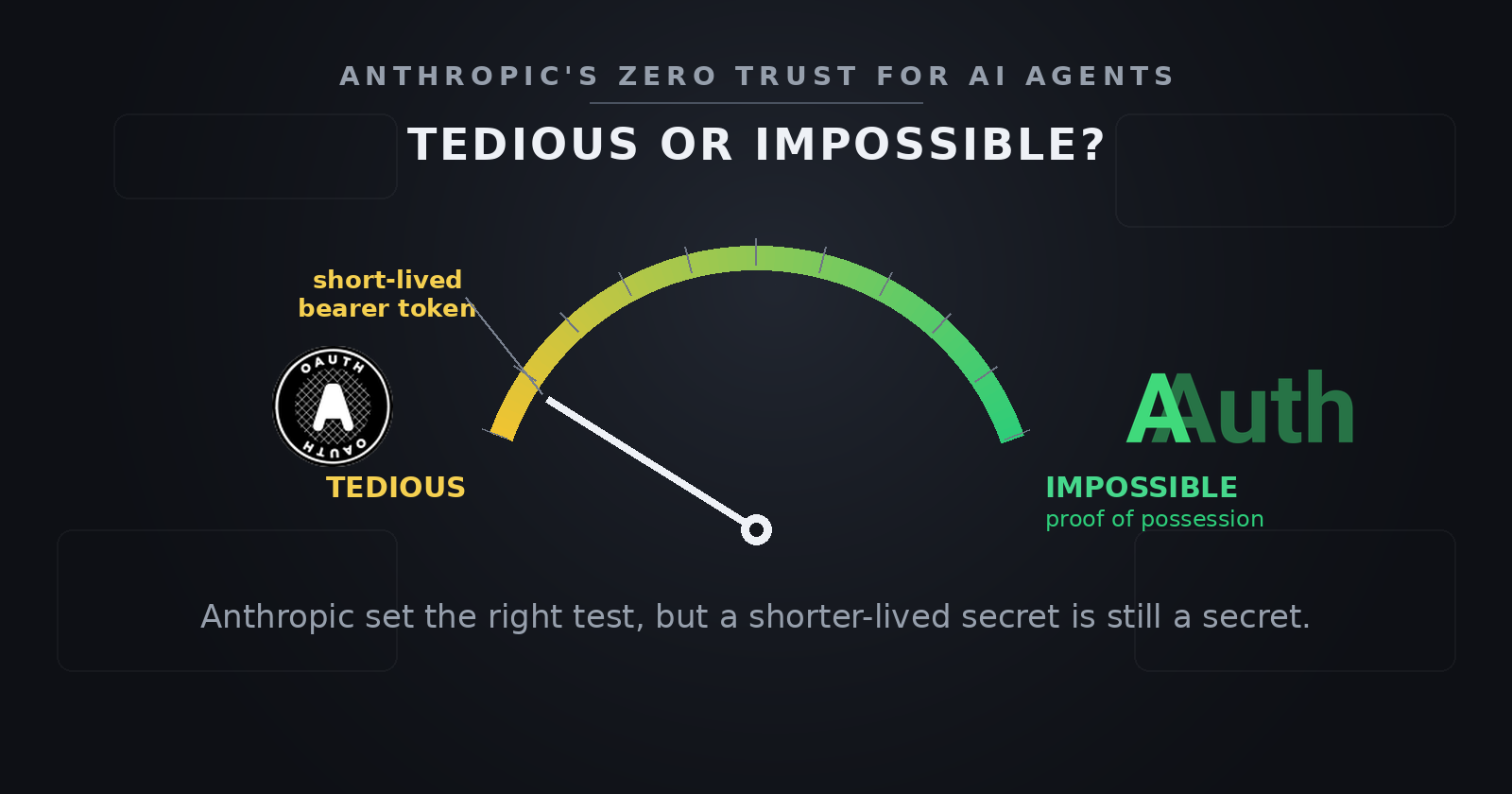
Anthropic has introduced a new Zero Trust security paradigm designed specifically for autonomous AI agents. Instead of using traditional bearer tokens, this new approach relies on cryptographic agent identification and strict access control limits at the specific task level.

What Happened
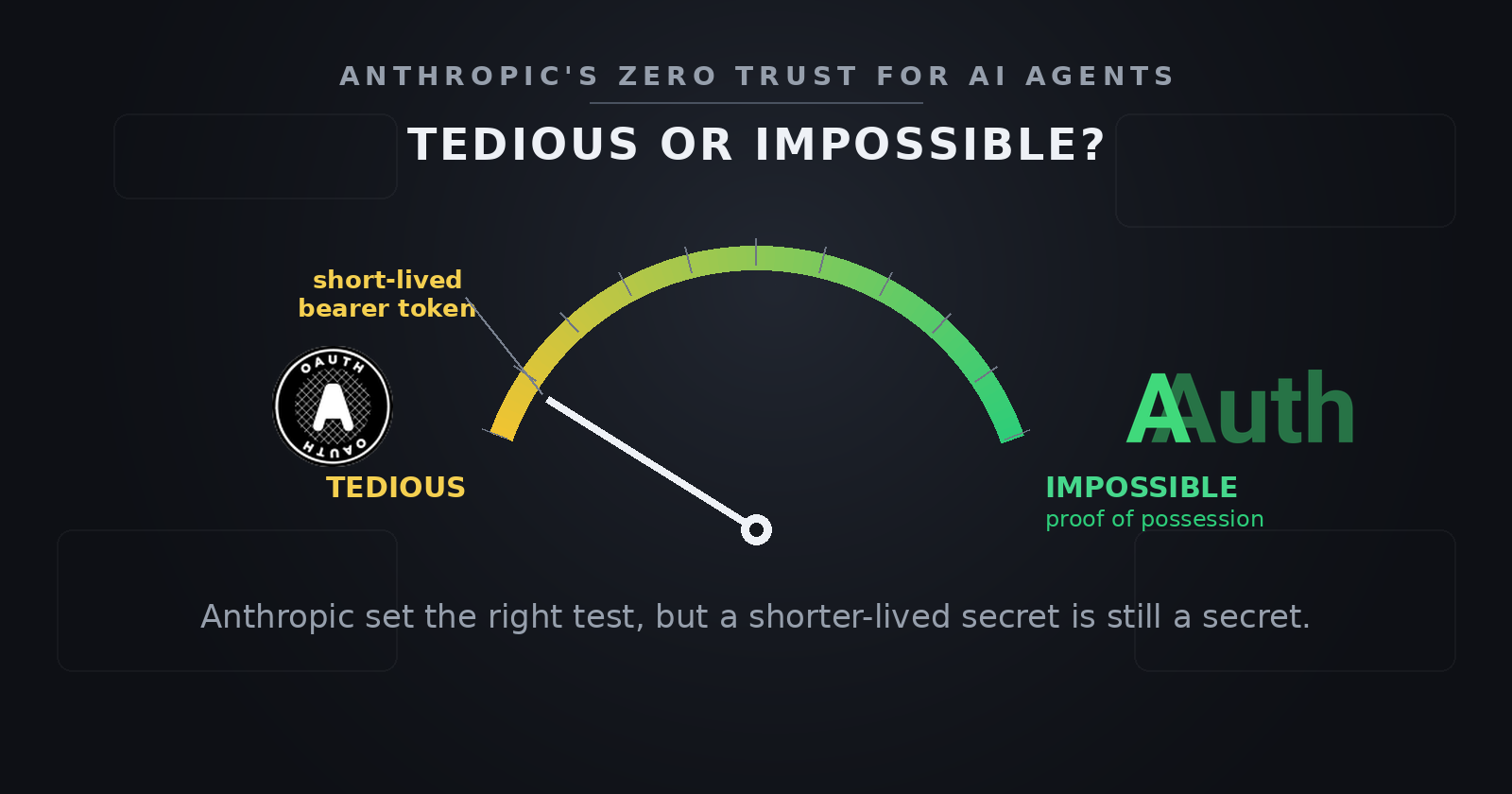
Anthropic has developed a comprehensive security architecture that replaces unreliable session keys (bearer tokens) with a system of dynamic verification for every operation. Key components of the solution include memory poisoning protection mechanisms, execution environment isolation (sandboxing), and the implementation of Agentic SOAR—an automated threat response system capable of countering attacks at AI speed.
Context
In modern systems, security often relies on passing API keys, making them vulnerable to specific threats such as prompt injection or tool poisoning. As autonomous agents evolve, classical access control methods become insufficient because the agent ceases to be just a user and transforms into an independent entity with unique attack vectors.
Why It Matters for the Industry
For the industry, this signifies a shift toward a new technical standard that changes the approach to Identity and Access Management (IAM) within the AI stack. Implementing Zero Trust principles is critical for deploying autonomous systems into high-risk sectors such as finance and medicine, where continuous and granular verification of every agent action is required.
Why It Matters for Users
Developers and users of AI agents need to rethink security architectures, moving away from granting broad access rights in favor of the principle of least privilege. This will require integrating new methods for context control and action verification to avoid uncontrolled damage in the event of a model error or a successful hack.
What Is Not Yet Known / Limitations
Implementing this new architecture may create barriers for solo developers due to increased workflow complexity and the need for fine-tuning access rights compared to the simple use of API keys.
Sources
Author
Look at AI, Editorial Team