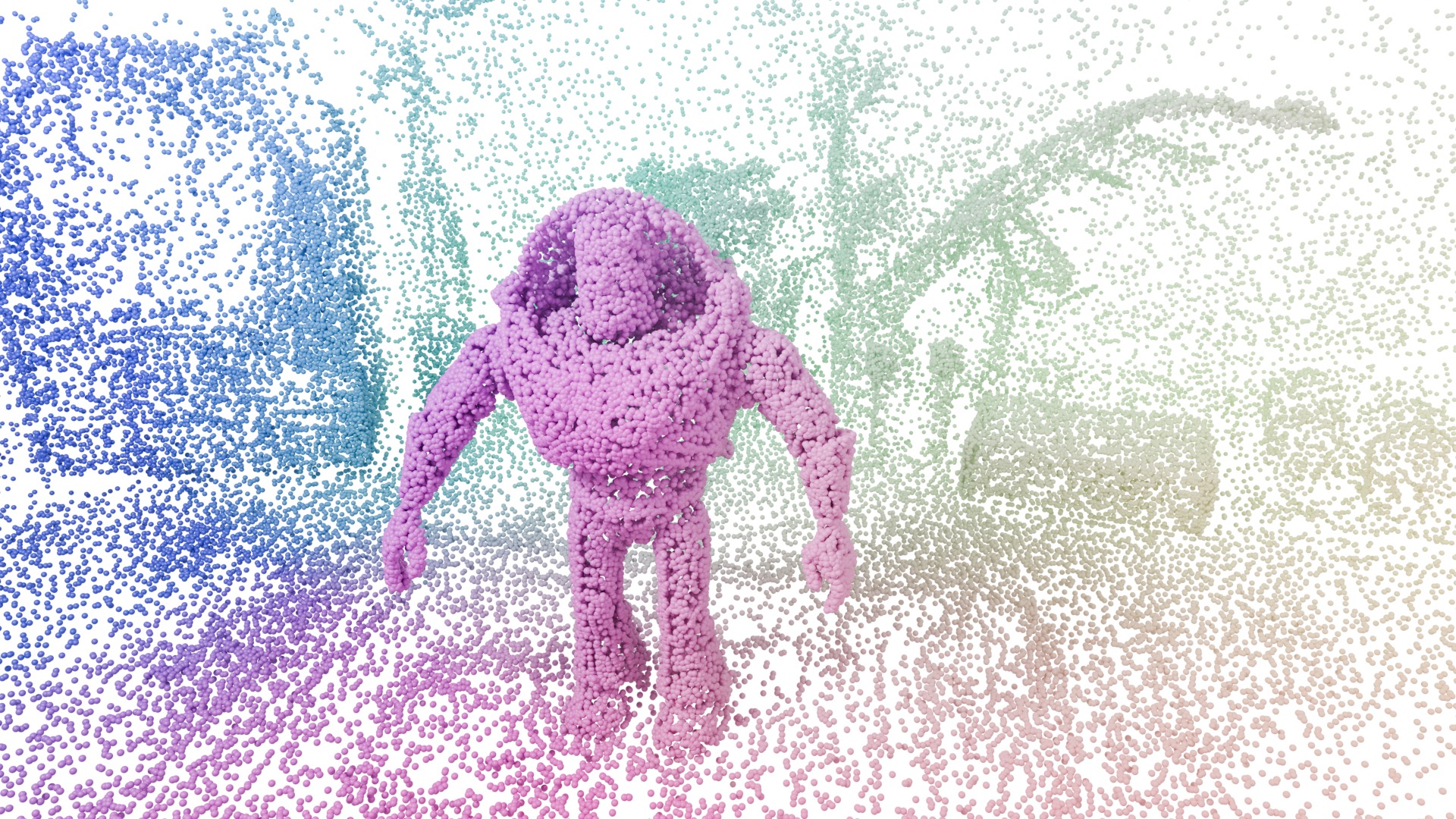
Surflo has been introduced—a new neural network model for 3D surface reconstruction that transforms a set of unconnected photographs into a single, consistent 3D model. By utilizing a fixed global latent vector and flow-matching technology, the model enables the creation of highly detailed surfaces at any resolution in a single pass.
What Happened
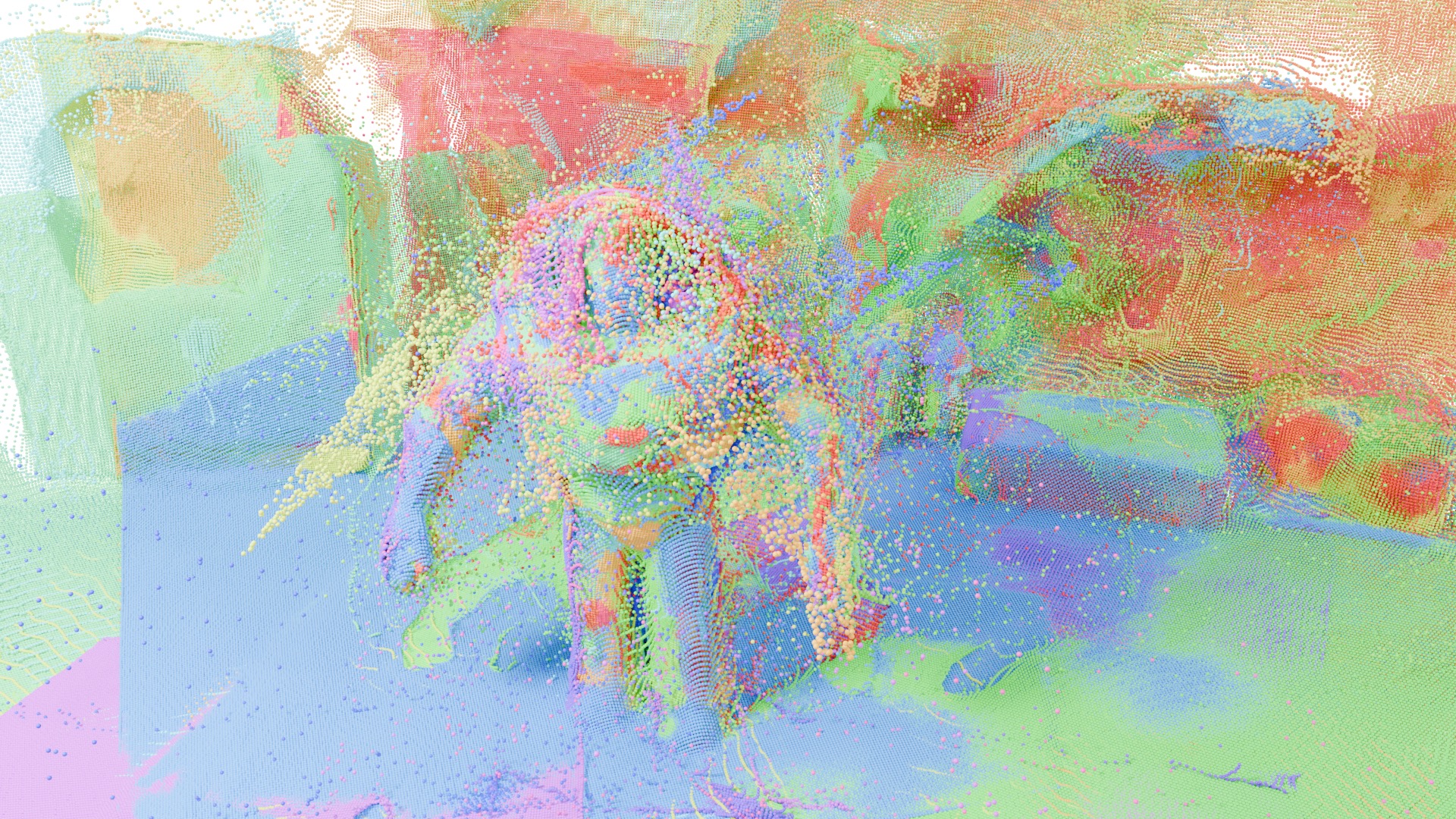
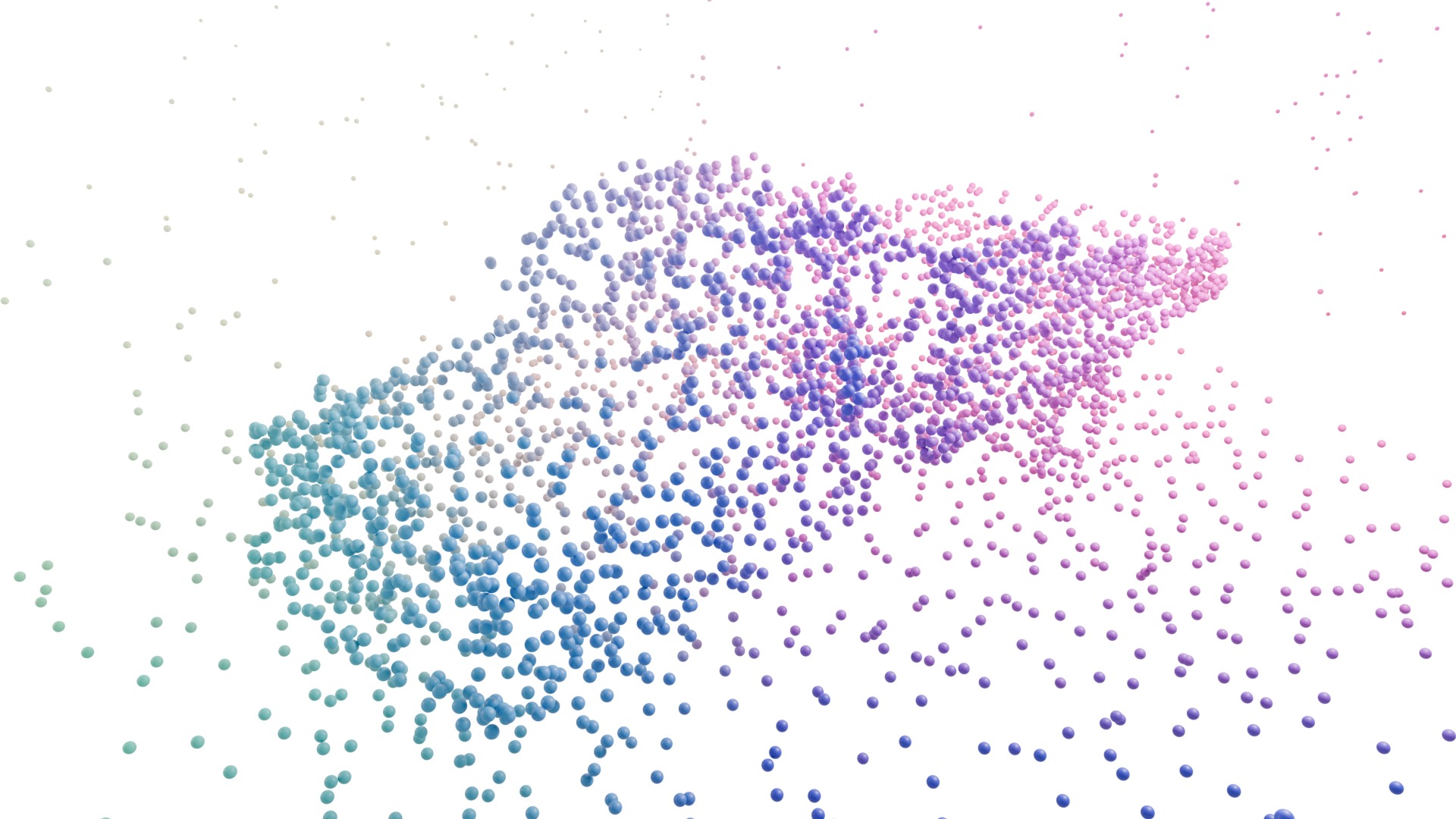
The developers of Surflo have presented an architecture that shifts from traditional optimization of specific scenes to a generative approach based on global state. The model uses a fixed latent vector of 128 tokens to encode the entire scene, allowing it to decode geometry ranging from a few thousand to a million points using flow-matching ODE. Surflo demonstrated SOTA (state-of-the-art) results on 8 benchmarks, surpassing solutions such as VGGT and DUSt3R, particularly in scenarios with a limited number of input views and complex object geometry.
Context
Modern 3D reconstruction methods often rely on labor-intensive optimization processes that require a large number of shots and precise camera calibration. Surflo changes the paradigm by decoupling the number of input images from the density of the output geometry, allowing the computational complexity to be shifted from the data collection stage to the generative inference stage.
Why It Matters for the Industry
For the AI and computer vision industry, Surflo addresses critical problems of scalability and model consistency. The use of flow-matching makes the reconstruction process orders of magnitude faster than classical optimization methods. This paves the way for creating automated 3D asset generation pipelines and integrating high-quality reconstruction into cloud APIs and mobile services.
Why It Matters for Users
For users and content creators, this technology offers a radical reduction in the barrier to entry: it is now possible to create detailed 3D models of objects using just a few ordinary photographs without specialized equipment. This significantly simplifies the process of creating assets for VR/AR, digital twins, and design prototyping.
What Is Not Yet Known / Limitations
At the current stage, the technology is in the research and early demo phase. The primary value right now lies in the theoretical validation of the possibility of fast mesh generation, while full-fledged tools and widespread use will depend on the availability of open-source implementations.
Sources
Author
Look at AI, Editorial Staff