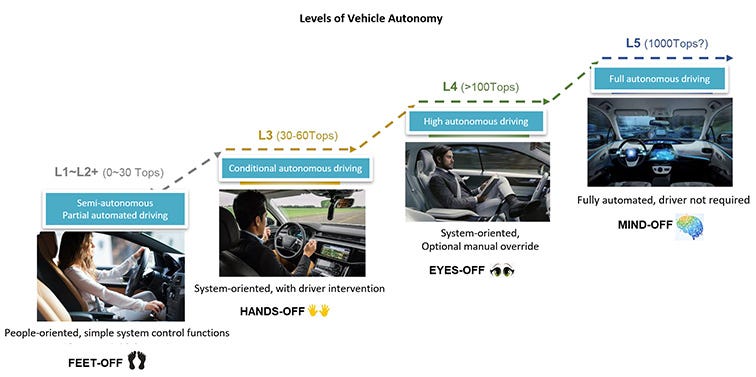
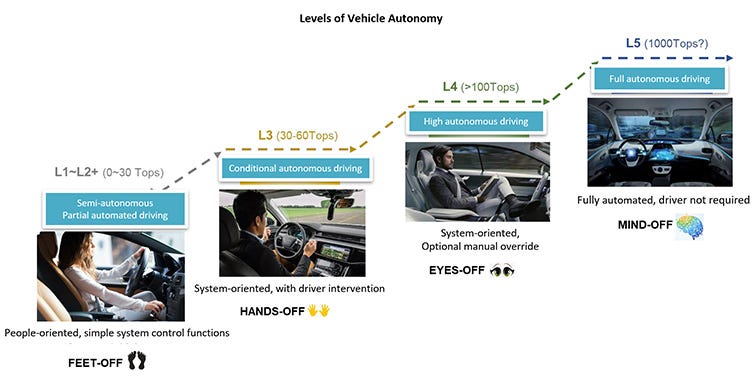
In industrial biotechnology, the main obstacle to achieving full autonomy is not the complexity of decision-making algorithms, but the quality of sensory perception. The development of Physical AI in this field requires a paradigm shift: moving from vision-based systems to systems operating on direct bio-input signals.
What Happened
Author Devijay Singh points to the critical necessity of transitioning from L2 autonomy, which relies on indirect proxies, to L3 autonomy, which provides real control. This requires specialized sensors capable of providing accurate biological data in real time, overcoming current challenges such as the invisibility of biomass to standard cameras and high measurement latency, which can take days instead of minutes.
Context
The current state of the industry is characterized by a technological gap: while robotics is developing rapid visual perception, biotechnological processes are still limited by slow data collection methods. This makes real-time control of living cultures impossible and prevents the creation of effective sensorimotor loops.
Why It Matters for the Industry
For the industry, this means a necessary shift in R&D focus from purely software solutions to the development of specialized hardware—chemical and biological sensors. Overcoming measurement latency and standardizing sensory data will be key to creating Foundation Models for biological processes and building fully autonomous biofactories.
Why It Matters for Users
Readers and specialists should understand that the current bottleneck in the development of autonomous biotech has shifted from "smart algorithms" to the data ingestion layer. The development of Physical AI in biology now directly depends on creating new types of "eyes"—sensors that work as fast and accurately as robotic vision.
Sources
Author
Look at AI, Editorial Team