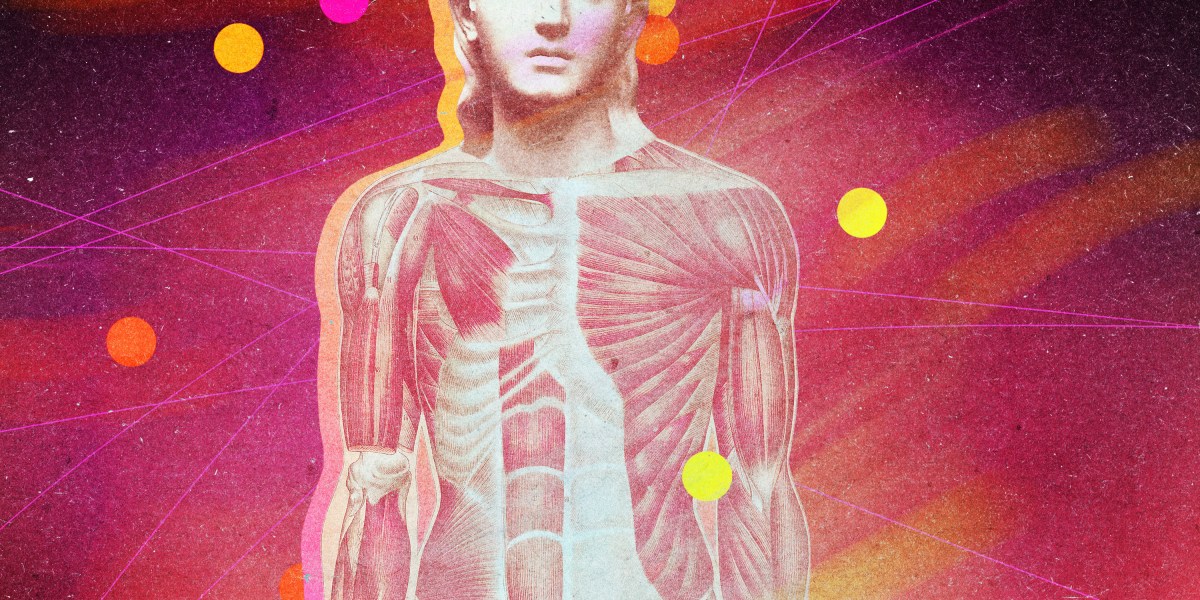
Interoception is the brain's ability to perceive internal bodily signals, such as heartbeat, hunger, and organ tension. New research reveals a deep connection between physiological processes and emotional states, highlighting the key role of the vagus nerve and molecular sensors in managing stress.

What Happened
Research has confirmed that approximately 80% of vagus nerve fibers transmit afferent information (data from the body to the brain). It has been established that proteins of the PIEZO family function as critical molecular sensors of mechanical pressure, allowing the brain to read internal states.
Context
The ability to accurately distinguish nuances in internal sensations is called emotional granularity. This biological mechanism directly correlates with decision-making efficiency and a person's ability to cope with stress.
Why It Matters for the Industry
For the neurotechnology and BioTech industries, these discoveries lay the foundation for creating precision vagus nerve neurostimulation systems, which could radically change treatments for depression and epilepsy. It also opens opportunities for developing new classes of biosensors and "brain-body" interfaces capable of integrating physiological feedback into digital systems.
Why It Matters for Users
For the average user, understanding the mechanisms of interoception provides a practical tool for improving mental health. Developing awareness of internal signals and the skill to precisely name physical sensations can help reduce anxiety levels and increase cognitive flexibility.
What Remains Unknown / Limitations
There is a variance in the assessment of practical applicability: ranging from a focus on fundamental science to optimistic forecasts regarding the creation of new classes of biosensors and "brain-body" interfaces.
Sources
Author
Look at AI, Editorial Staff