
Experienced developers are facing a new psychological barrier: the integration of AI into the development process creates a risk of losing professional identity and transforming experts into operators who do not fully understand the code being generated.

What Happened
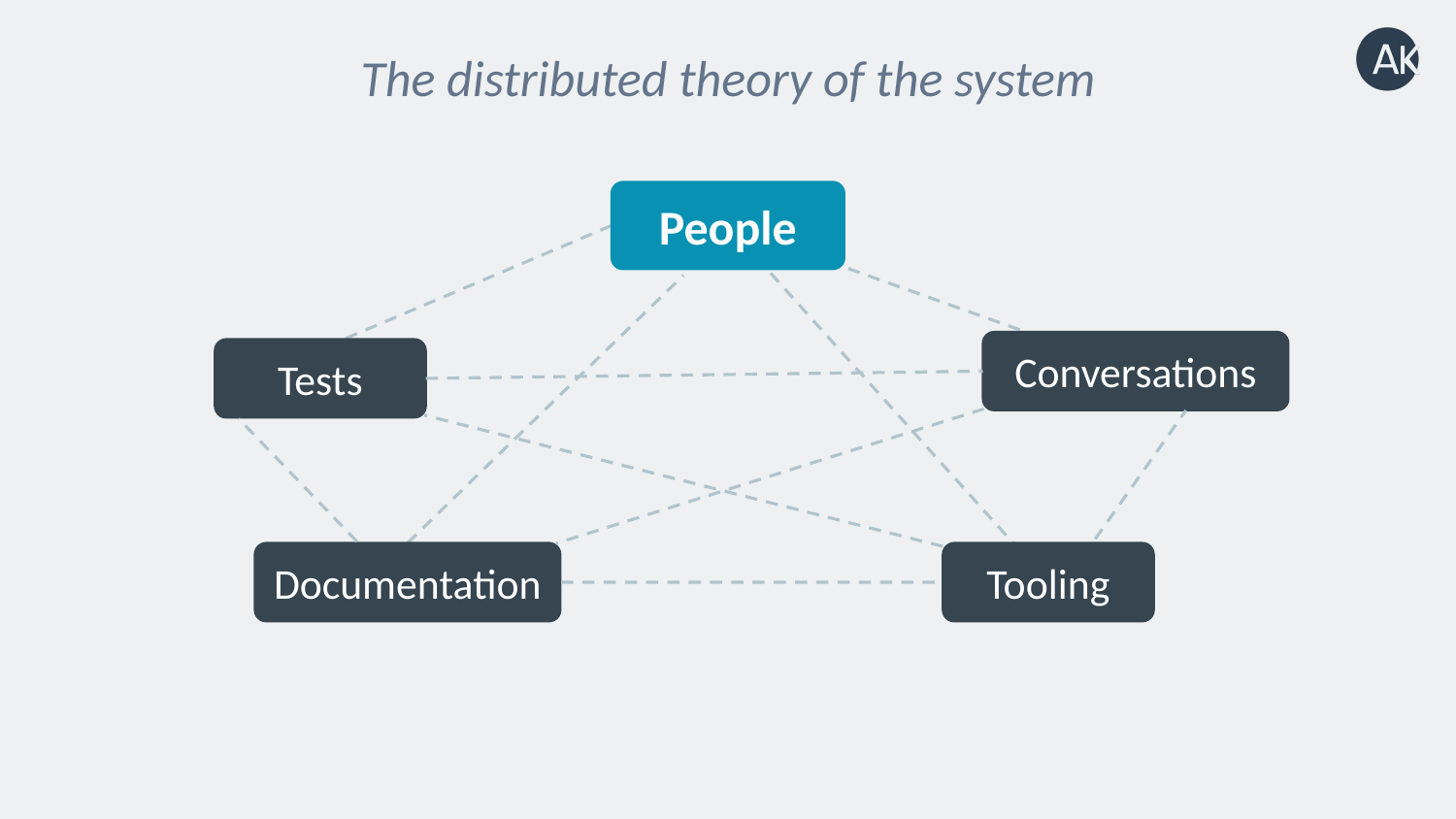
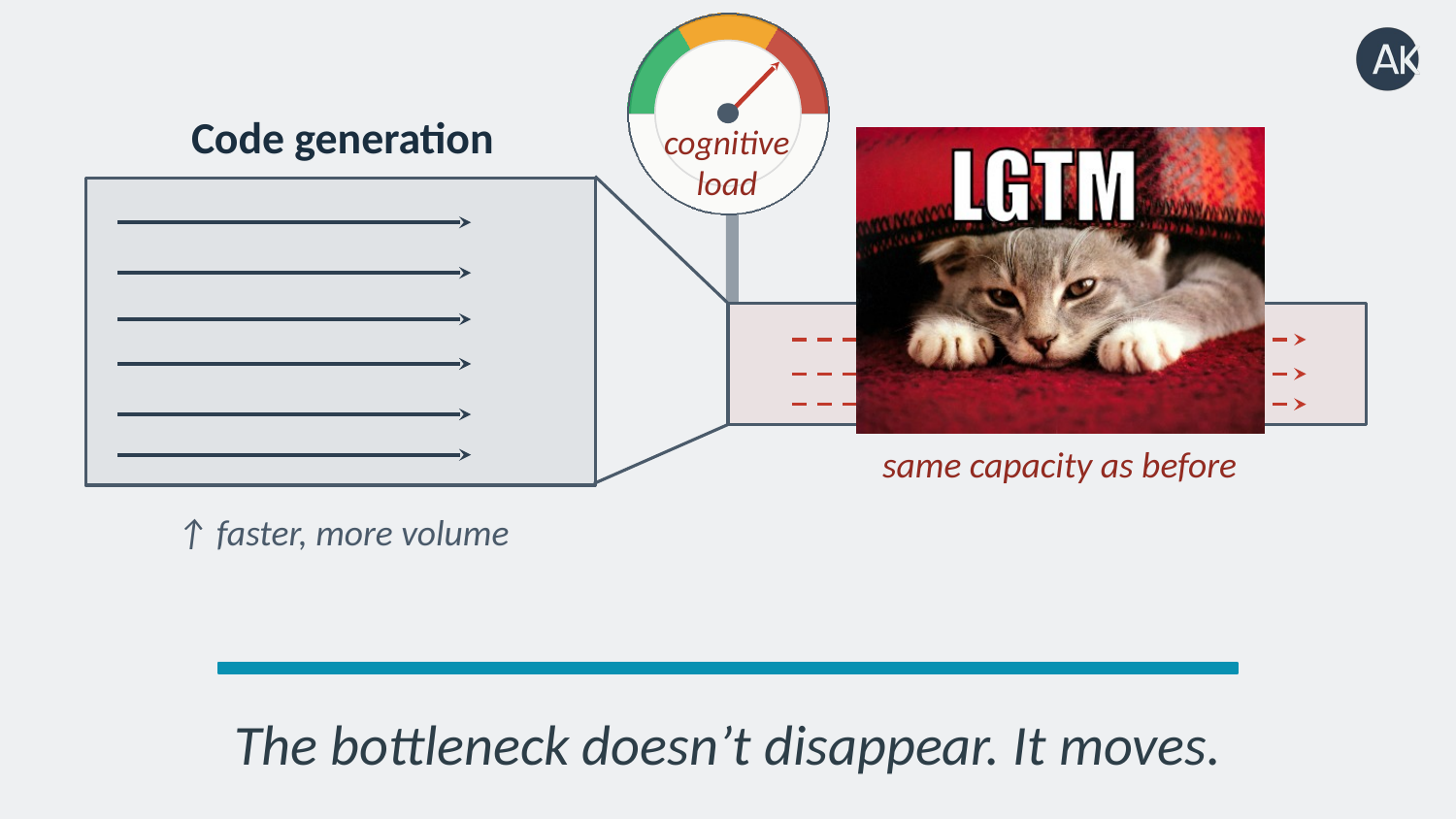
In his article, Andy Kelk analyzes the shift in the focus of engineering activities in the age of AI. The primary risk lies in the emergence of "cognitive debt"—a situation where the speed of code generation by AI tools significantly exceeds a human's ability to control the architectural integrity of the system. This forces engineers to spend more time on review, which, if approached superficially, creates a risk of "normalization of deviance."
Context
With the advancement of LLMs and autocomplete tools, writing code is ceasing to be the primary task, giving way to its verification. A gap is emerging between the complexity of modern systems and the level of deep human understanding of their implementation, which threatens the long-term maintenance and diagnostics of software products.
Why It Matters for the Industry
For the IT industry, this means the need for a radical revision of efficiency metrics. Development leaders should move from quantitative indicators, such as commit volume or lines of code, to qualitative metrics of architectural integrity. In the long term, there is a risk of a competency crisis if training processes for new specialists are not adapted to working in a hybrid environment with AI.
Why It Matters for Users
For senior engineers, the value of their skills is now defined not by the speed of writing code, but by the ability to act as an architect and a critical reviewer. Successful adaptation requires rethinking the role from a "code writer" to an expert who maintains the theoretical and structural coherence of the system.
What Is Not Yet Known / Limitations
No explicit contradictions in the risk assessment were found; positions of participants vary from moderate to skeptical depending on the focus on business versus pure engineering.
Sources
Author
Look at AI, Editorial Staff