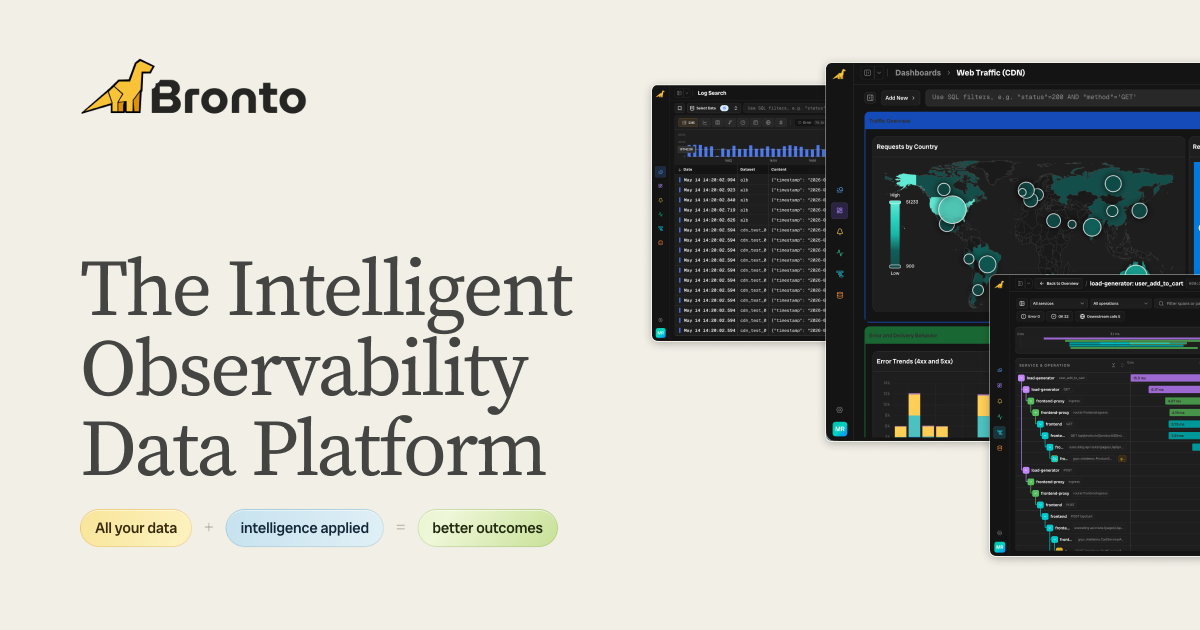
Bronto has presented an analysis of how ready modern telemetry tools are for working with AI agents, using the AWS DevOps Agent as a case study. The research highlights the need to move beyond simple log collection toward creating a specialized telemetry layer capable of providing structured context for autonomous systems.
What Happened
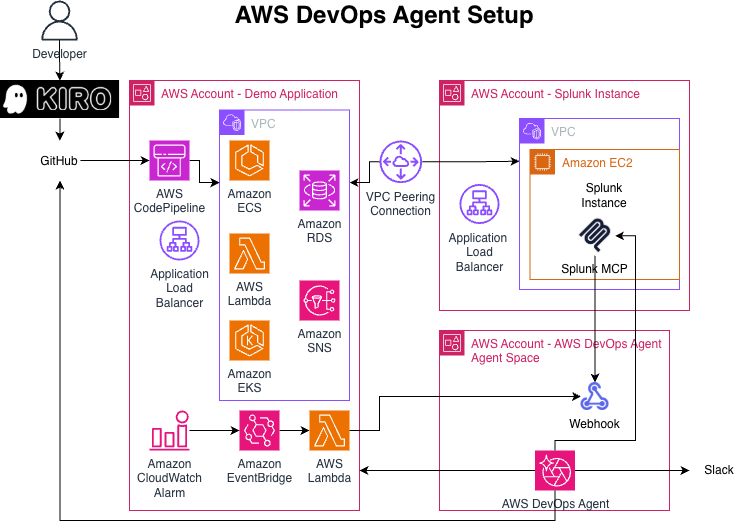
Bronto published an analysis stating that effective operation of the AWS DevOps Agent requires new data transmission standards. The focus is on creating a telemetry layer that ensures trust in results, allows for preliminary data exploration before executing queries, and provides full context for responses. This is necessary to realize the concept of autonomous SRE (Site Reliability Engineering), where an agent must independently correlate data from CloudWatch, Splunk, and GitHub to investigate incidents.
Context
Classical monitoring based on raw metrics and logs is insufficient for the reliable operation of autonomous agents. For full automated troubleshooting, AI agents require not just a dataset, but high-level information suitable for processing by Large Language Models (LLMs) without loss of accuracy. This creates a new demand for so-called "agentic observability."
Why It Matters for the Industry
The industry faces the need to transform telemetry tools from providers of raw data into providers of structured context. In the coming months, standardization of agentic observability approaches is expected, along with the emergence of specialized SDKs and APIs (telemetry-as-context) optimized for working with LLM agents within DevOps processes.
Why It Matters for Users
Engineers and DevOps specialists should shift their focus from simple metric collection to data readiness—ensuring data is understandable to AI agents. Understanding how modern agents operate in DevOps will allow for more effective infrastructure preparation for deep automation and the transition to autonomous incident management models.
Sources
Author
Look at AI, Editorial Team