Anthropic has introduced new models, Claude Fable 5 and Claude Opus 4.8, marking a transition from single LLMs to multi-agent systems. Thanks to Dynamic Workflows technology, Claude Code can now independently create JavaScript scripts to manage a swarm of up to 1,000 sub-agents, automating complex tasks through executable code.
What Happened
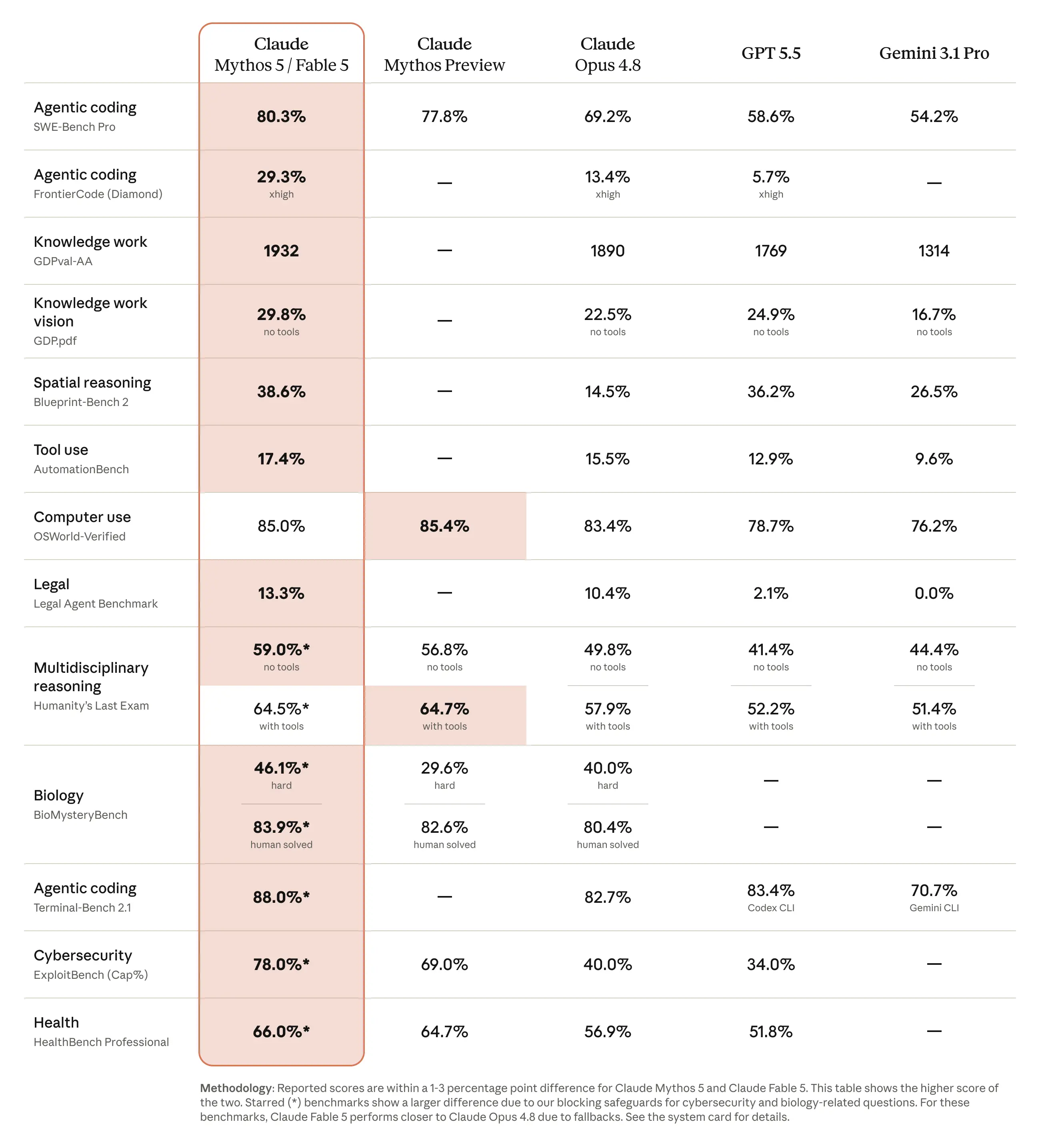
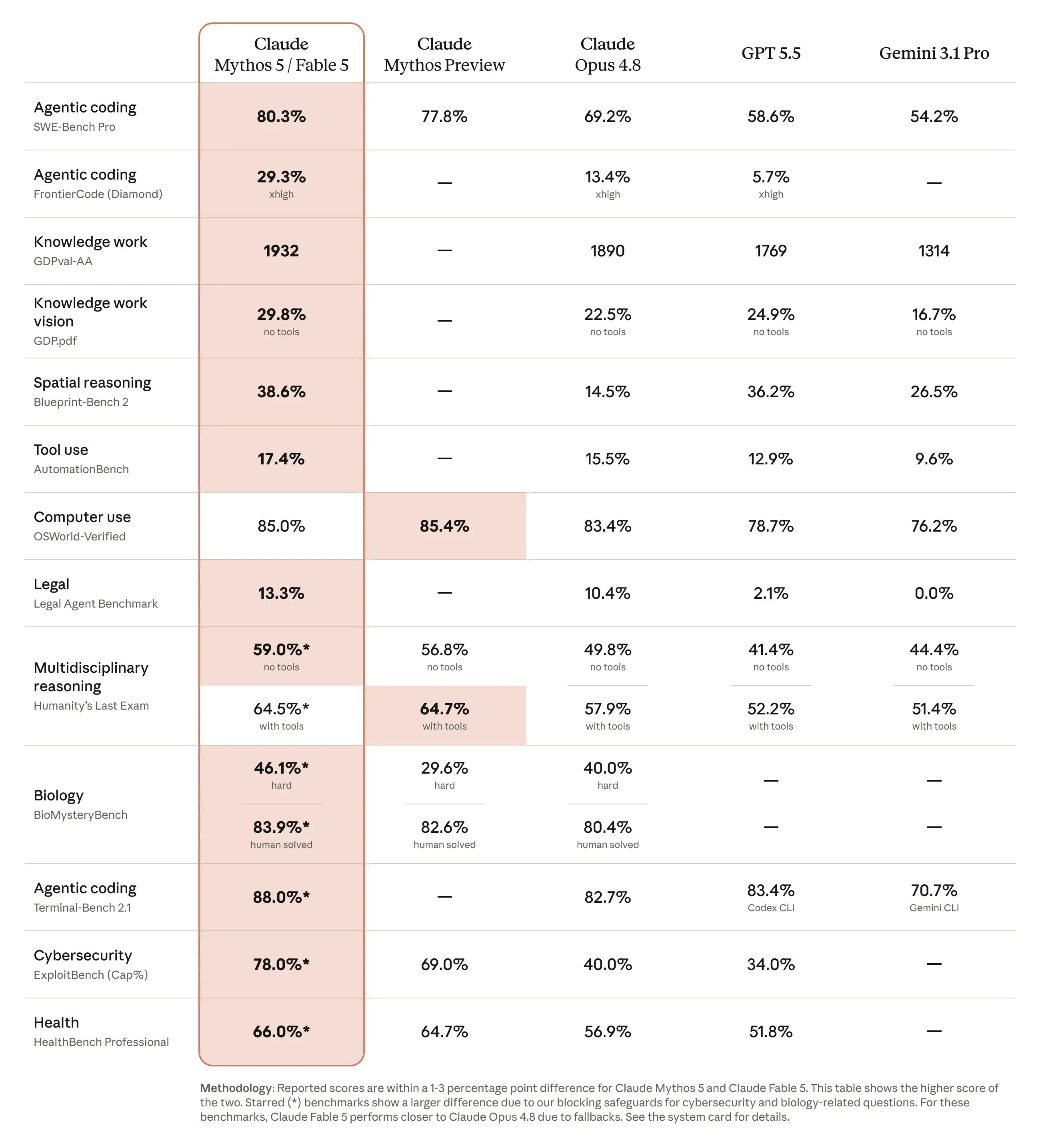
Anthropic has released the Claude Fable 5 models (belonging to the new Mythos-class for complex analytics) and Claude Opus 4.8. The key update is the Dynamic Workflows mechanism, which allows Claude Code to generate control JavaScript scripts to orchestrate up to 1,000 sub-agents. Additionally, Opus 4.8 achieved a score of 69.2% on the SWE-bench Pro benchmark and is 3 times cheaper in Fast Mode compared to its predecessor.
Context
Dynamic Workflows technology changes how humans interact with AI: instead of manually designing graphs and prompt chains, logic management is handed over to executable code. This allows for efficient task decomposition and role distribution among multiple agents, solving the context window overload problem when working on large-scale projects.
Why It Matters for the Industry
The industry is undergoing a fundamental shift from the concept of a "single powerful model" to a coordinated swarm architecture (agent swarms). This transforms Claude from a simple interface into a full-fledged operating system for autonomous business processes, where orchestration becomes a programming task (Code-as-Orchestration), scaling autonomous capabilities to hundreds of parallel processes.
Why It Matters for Users
For users, this means the ability to solve highly complex, multi-stage tasks—such as deep market analysis or migrating massive codebases—with just a single text prompt. The system will automatically allocate resources, assign roles to agents, and verify the final result, sparing humans from the need to manually script every algorithmic step.
What Is Not Yet Known / Limitations
There is a risk that the model's generation of its own control JavaScript code could lead to hard-to-debug logical errors in complex automation chains.
Sources
Author
Look at AI, Editorial Team