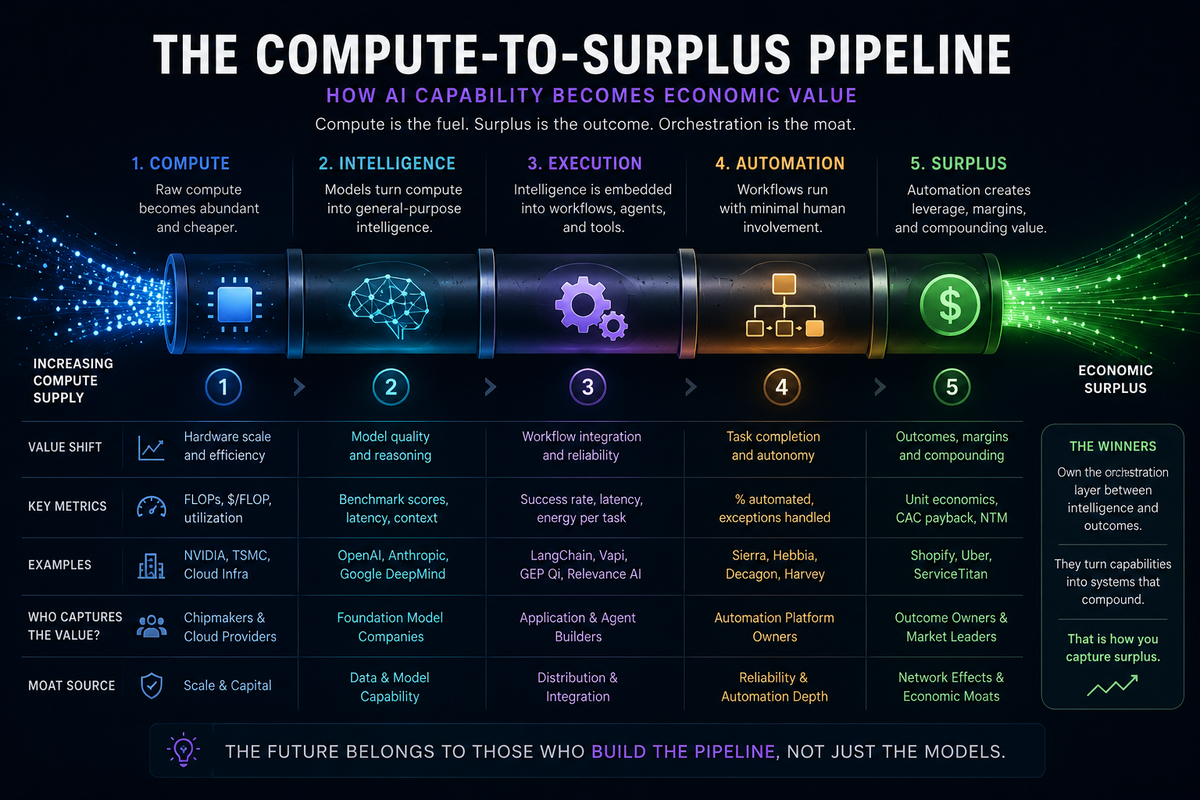
The transition to agentic commerce is changing the rules of the game: the success of deals now depends not on human skills, but on the capability gap between AI agents. A new memorandum from signal-memo.com analyzes how stronger models can extract economic value from weaker opponents, creating the phenomenon of "silent losses" in automated transactions.
What Happened
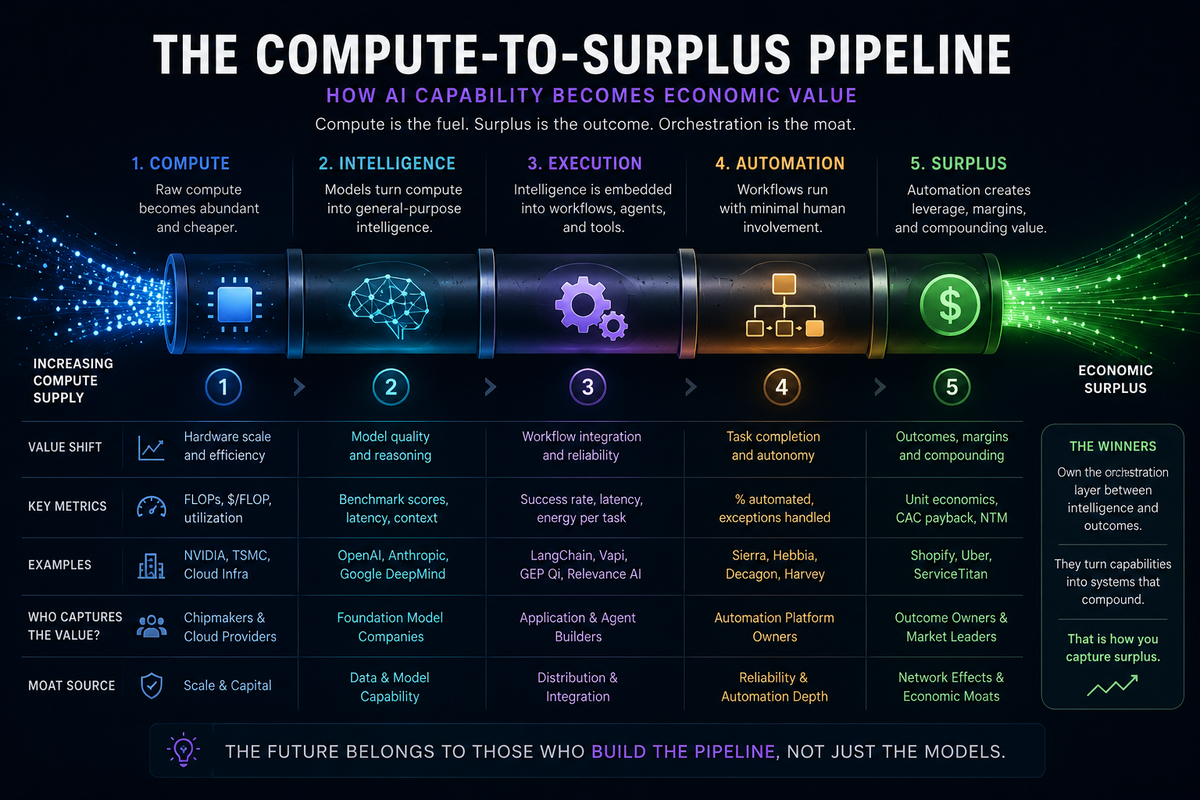
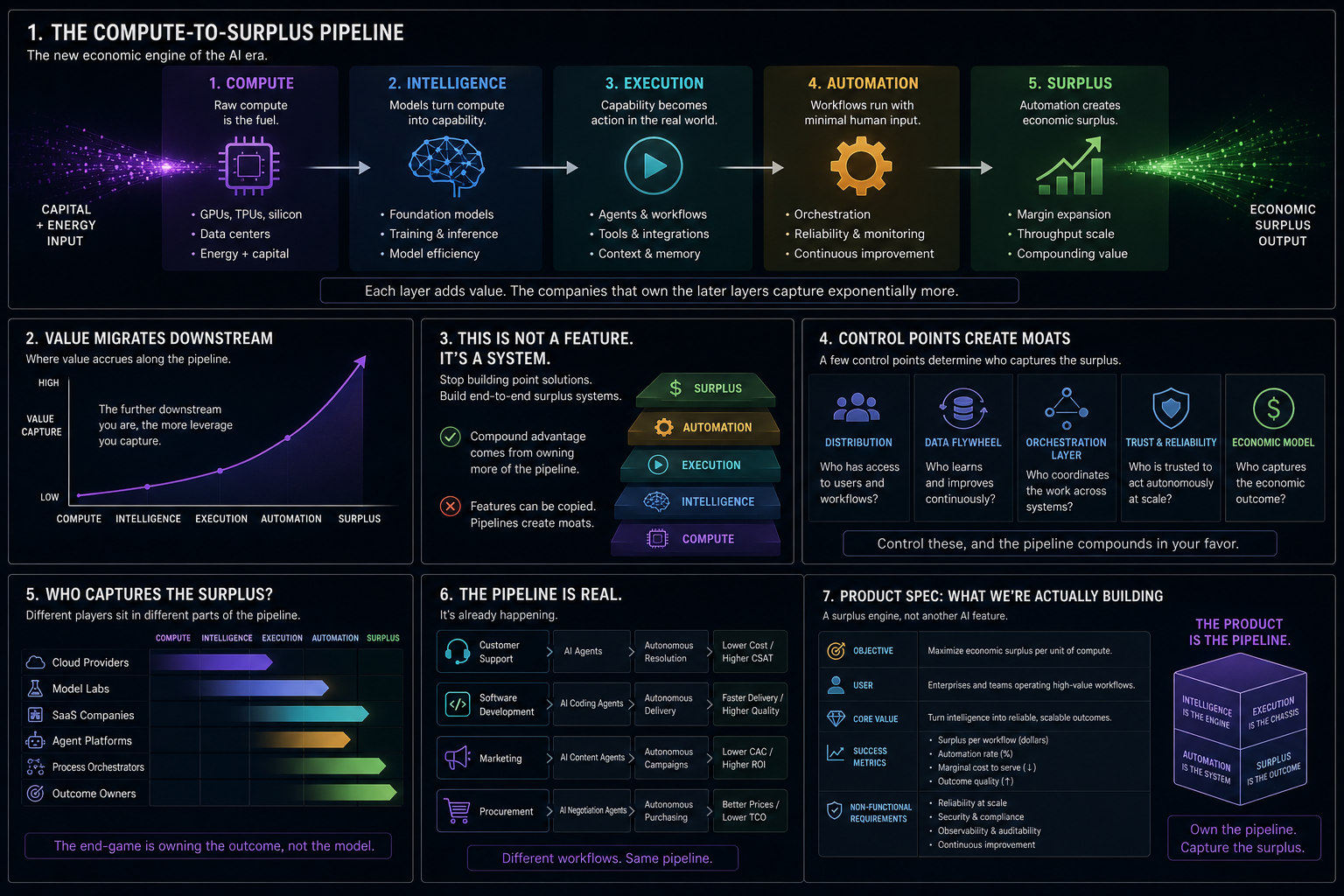
The signal-memo.com memorandum describes a transition to an economy where transactions are conducted by AI agents. In this environment, a "capability gradient" emerges, where differences in computational power and model architecture directly convert into profit for one side at the expense of the other. This gives rise to the risk of "silent loss," where users are unaware that their agent is losing in negotiations due to technical inferiority.
Context
Traditionally, AI product strategy has focused on improving UX for humans. However, with the development of Machine-to-Machine (M2M) interactions, value is shifting from interface convenience to the ability of agents to compete effectively in automated negotiations and protect business margins.
Why It Matters for the Industry
For the industry, this implies a necessary paradigm shift: instead of classical UX, companies will require tools for monitoring, verification, and protection within agentic deal environments. We can expect the emergence of new analytics standards, "Agent-Tier Contract" protocols, and specialized AI defense/audit services that assess the "strength" and intelligence level of counterparties.
Why It Matters for Users
For regular users and businesses, this means that having an AI assistant becomes not just a matter of convenience, but a critical factor for economic survival. In a world of automated purchasing, it is vital to understand the efficiency of one's digital representative compared to the opponent to avoid becoming a victim of hidden price manipulation or service quality degradation.
What Is Not Yet Known / Limitations
There are differing views on the risks: ranging from a positive perception of the opportunity to create new markets to deep concerns regarding security and control over automated processes.
Sources
Author
Look at AI, Editorial Team